
East & West Sussex
Sussex
The Heart of English Wine
120+ vineyards
Best for: World-class traditional-method sparkling wine
Sussex sits at the epicentre of England's wine revolution, and it is here — on the chalk and flint downland that forms a geological continuation of the Champagne region across the Channel — that the most compelling case for English wine has been made. The county is home to some of the finest traditional-method sparkling wines produced anywhere on earth. That is not hyperbole. It is a conclusion reached by some of the world's most rigorous blind tasters, again and again, across multiple vintages.
The geology tells the story most clearly. The chalk that underlies the South Downs is the same Cretaceous formation that gives Champagne's finest vineyards their character: it drains freely, retaining just enough moisture to stress the vine without starving it; it warms rapidly in spring to encourage early bud-break; and it reflects heat upward into the vine canopy, accelerating ripening even in marginal years. Planted on the right south-facing slopes, with the right varieties — Chardonnay, Pinot Noir and Pinot Meunier — and worked with the right rigour in both vineyard and winery, it produces wines of real depth and mineral precision.
The revolution began here, too. Nyetimber's 1992 Blanc de Blancs, made from West Sussex chalk by American pioneers Sandy and Stuart Moss, was the wine that convinced the world's wine press that English sparkling wine was a serious proposition. Ridgeview's Cuvée Merret Bloomsbury, produced by a family in East Sussex, beat Champagne at the International Wine Challenge in 2000. Since then, the county has attracted investment at a pace that has no precedent in English agricultural history.
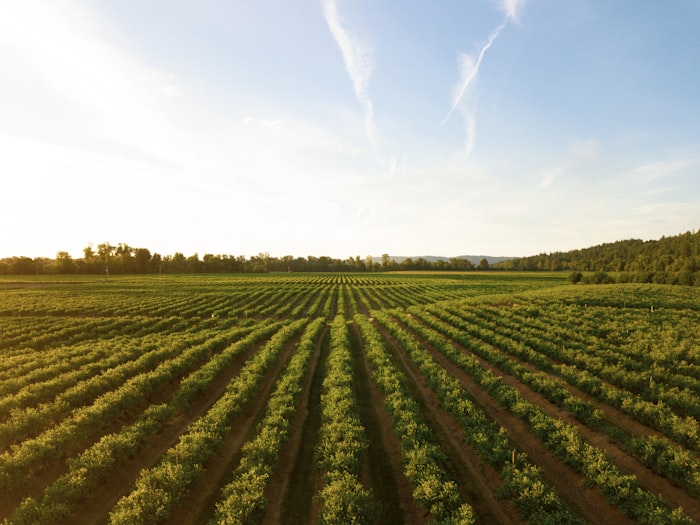
Today Sussex hosts over 120 vineyards, from micro-estates producing a few hundred cases a year to Rathfinny's 600-acre behemoth above Alfriston. The South Downs National Park provides a spectacular and legally protected backdrop, ensuring that the county's wine landscape remains one of the most beautiful in England. Harvest — typically running from late September through October — fills the valley air with the sweet fermentation scent that Sussexians are slowly, delightedly, getting used to.
"The South Downs Wine Trail links several vineyards by footpath and cycle route — combine it with a night at one of the Flint Barns at Rathfinny."— English Vineyards Editorial Team
Nyetimber is the estate that changed everything. Their 1992 Blanc de Blancs beat Champagne at international competition and permanently alte…

The family estate that first put English sparkling wine on international scoreboards. Simon Roberts produces a range of London-named cuvées …
The most spectacular vineyard in England. Chalk terraces descend toward the English Channel with views to France on clear days, and the 600-…
One of Sussex's oldest and most welcoming estates. Bolney produces a range that is broader than most English estates, including some of Engl…

Tillingham sits in the flatlands of East Sussex near Rye, on a working farm that smells of woodsmoke and fermenting grape must and, if you'r…

Wiston Estate is a name that winemakers talk about in reverent shorthand.…

There is a wine called The Trouble with Dreams, made by an Irishman in West Sussex from chalk vineyards he has been farming since 2006, and …

Every spring, the woodland surrounding Bluebell Vineyard Estates floods with colour.…

Lawrence Warr spent his career in Formula 1, where the pursuit of marginal gains, the obsessive attention to precision, and the understandin…

Art Tukker converted an iceberg lettuce farm near Halnaker in West Sussex into one of England's largest single-estate vineyards, 110 acres w…
Our guide to visiting Sussex's best vineyards — when to go, how to get there, and what to book in advance.
Visiting Guide