
Kent
Kent
The Garden of England Uncorked
90+ vineyards
Best for: Diverse styles — from benchmark sparkling to aroma
Kent is where England's wine story arguably begins. The Romans planted vines here. Medieval monks tended them through centuries of English weather. And when the modern English wine revival gathered momentum in the late twentieth century, Kent was again among the first to respond — not least because the county's North Downs chalk ridge is only a few geological metres removed from the Champagne appellation that sits just across the Channel.
The county's great advantage over its Sussex neighbour is geological diversity. Where Sussex is predominantly chalk, Kent offers a more complex patchwork: the North Downs chalk in the north, the greensand ridge running east to west through the Weald, and the Kentish clay in the south and east. Each soil type produces wines of distinct character. Chalk vineyards deliver the mineral precision that has made English sparkling famous. Greensand soils produce aromatic still whites — particularly Bacchus and Ortega — with a fruity accessibility that makes them excellent ambassadors for the English wine category. And the Kentish clay, warmed by the Thames Estuary's maritime influence, allows red varieties to ripen in favourable years.
Chapel Down at Tenterden is the county's largest and most commercially visible producer, but it is Gusbourne's chalk-driven Blanc de Blancs near Appledore — regularly cited among England's finest wines by critics including Jancis Robinson and Tim Atkin — that best represents Kent's potential for world-class sparkling wine. Balfour Hush Heath's range, produced from a spectacular estate in the High Weald, demonstrates the county's versatility from premium sparkling to creditable still rosé.
The proximity to London — Canterbury is under an hour by high-speed train from St Pancras — makes Kent ideal for wine tourism. Several estates offer cellar-door experiences that can be reached by public transport, a rarity in English wine country, and the county's existing tourism infrastructure (the Kent coast, the Downs, the Weald) makes it easy to build a compelling itinerary around vineyard visits.
"Chapel Down near Tenterden has an excellent restaurant and shop. Pair it with a visit to Sissinghurst Castle Garden."— English Vineyards Editorial Team
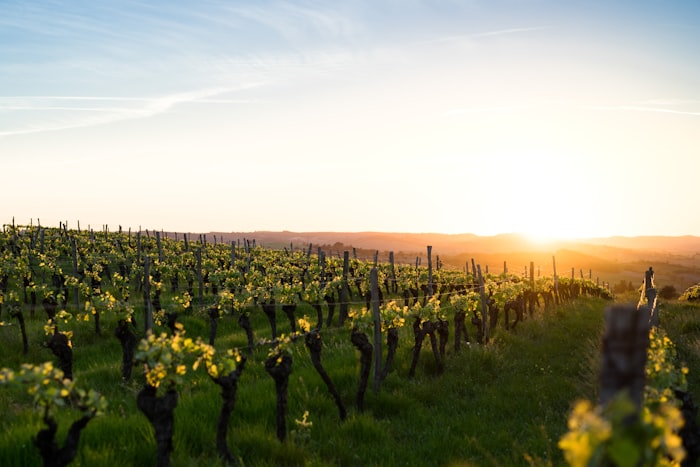
England's largest and most commercially visible winery, with 1,000 acres across Kent. The visitor facilities at Tenterden are the finest in …

Gusbourne makes a case for being England's most serious fine wine producer. The Blanc de Blancs — aged on lees for three to five years befor…

The most romantic estate in Kentish wine. 400 acres of High Weald parkland, a winery housed in a converted oast, and a Brut Rosé that has be…

Domaine Evremond represents a bet placed on English terroir by one of Champagne's oldest dynasties, and it is a bet of unusual confidence.…

Charles and Ruth Simpson took a route to English winemaking that most English winemakers haven't: they went to France first.…

The Pilgrims' Way is one of England's oldest paths, used since the Stone Age by travellers moving along the chalk ridge of the North Downs t…
Our guide to visiting Kent's best vineyards — when to go, how to get there, and what to book in advance.
Visiting Guide